Lost Filling or Crown? When an Emergency Dentist Is the Right Choice
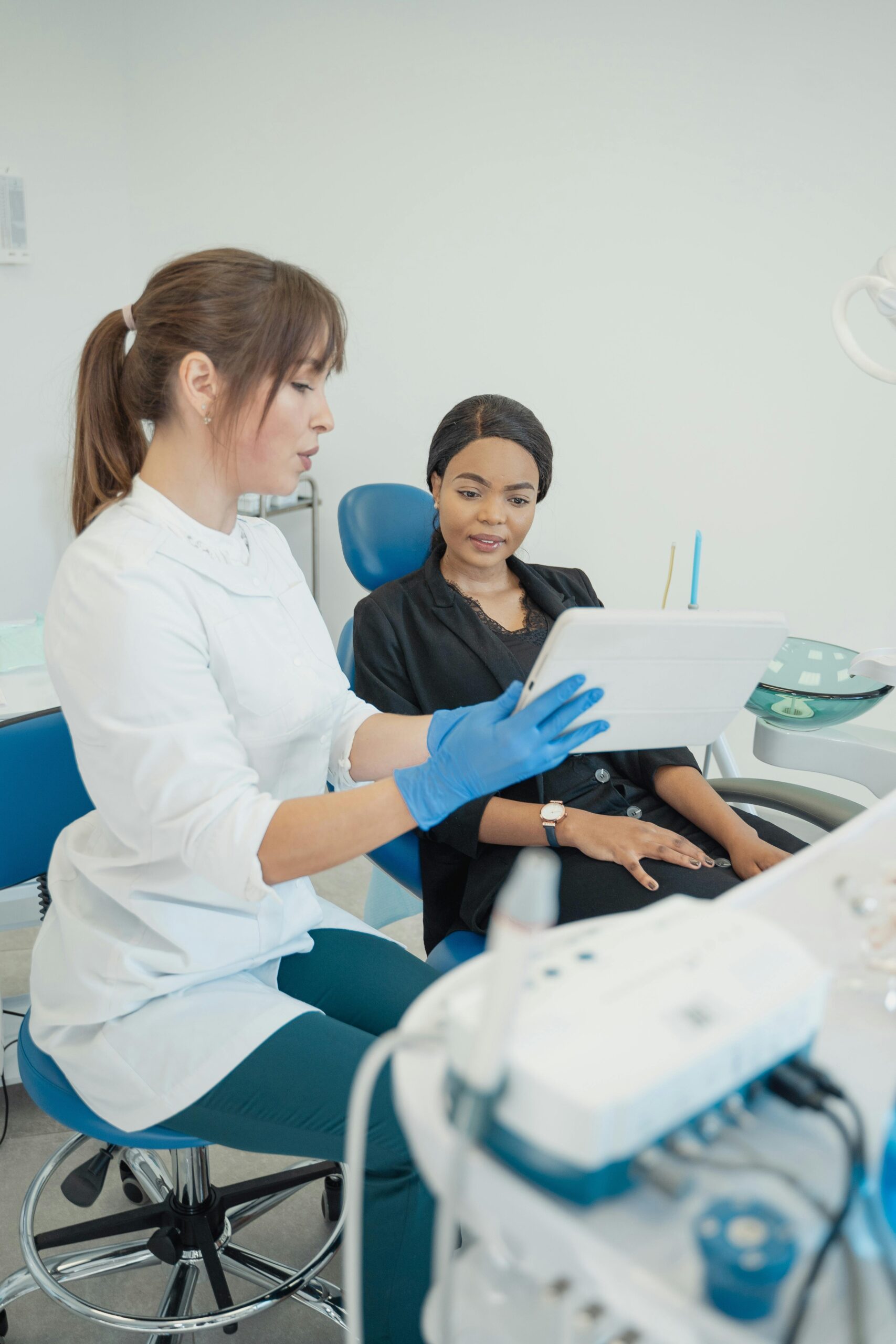

A lost filling or crown rarely happens at a convenient time. It often shows up during a meal, late at night, before a flight, or over a weekend when your regular dental office is closed. One moment the tooth feels normal enough, the next it feels sharp, exposed, oddly hollow, or suddenly painful when air touches it. That shift can be unsettling, especially if you are not sure whether the problem can wait or whether you need urgent care.
In practice, this is one of the most common reasons people call an Emergency Dentist. The tricky part is that not every lost restoration is a true emergency, but some absolutely are. The difference depends on what came off, how much tooth structure is left, whether pain is involved, and how vulnerable the tooth has become in the hours after the loss.
Patients often assume the restoration itself is the whole story. It usually is not. A crown or filling comes off for a reason. Decay may have formed around the edges. The tooth could have cracked. The cement may have failed. Grinding or clenching may have weakened the bond over time. In some cases, the restoration was already at the end of its service life and simply gave way. That is why the right response is not just to stick something back in place. It is to protect the tooth and have it evaluated with good judgment.
What actually happens when a filling or crown is lost
A filling replaces a part of the tooth that was damaged by decay or fracture. A crown covers and protects a tooth that has already lost more of its natural structure. When either one comes out, the underlying tooth can become exposed. Sometimes that exposed area is merely sensitive. Sometimes it is fragile enough that biting on it can split the remaining tooth wall.
With a lost filling, the missing material may leave a small crater or a larger cavity. Food can pack into the space. Cold air or cold drinks may trigger sensitivity. If the tooth had deep decay in the past, the exposed dentin can react sharply. If a nerve is already inflamed, the pain may escalate fast.
With a lost crown, the situation can vary even more. Some crowns slip off intact and leave behind a short, smooth tooth. Others come off because the underlying tooth has decayed or fractured. A front crown can create an obvious cosmetic problem, but a back crown can be the bigger functional risk if the remaining tooth is thin and vulnerable to cracking under pressure.
Patients sometimes say, “It doesn’t hurt much, so I think it can wait.” That can be true, but not always. A painless lost crown on a heavily restored molar may be more urgent than a mildly sensitive small filling on a premolar. Pain is an important clue, not the only one.
When it can wait a day or two, and when it should not
There is a practical middle ground between panic and neglect. If the tooth is not painful, there is no swelling, and you can avoid chewing on it, you may be able to wait briefly for a prompt dental appointment. But there are certain signs that push the problem into urgent territory.
Here are the situations where contacting an Emergency Dentist is the sensible move:
- The pain is severe, throbbing, or getting worse over hours.
- The tooth is broken, sharp, or painful to bite on.
- There is swelling in the gum, cheek, or jaw.
- The lost crown or filling leaves very little tooth remaining.
- The tooth was recently root canal treated or is part of a bridge or major dental work.
Those five scenarios matter because they suggest the issue is not just “something fell out.” They raise the risk of infection, fracture, nerve inflammation, or loss of the tooth structure needed to repair it predictably.
Swelling deserves special attention. A crown that falls off by itself is one thing. A crown that falls off and is followed by swelling, tenderness in the gum, a bad taste, or pressure is a different event. That can indicate decay under the crown, a root problem, or infection in the surrounding tissues. If you develop facial swelling, fever, or difficulty swallowing, that moves beyond a routine dental problem and deserves immediate clinical attention.
Why a lost crown is sometimes more serious than it looks
Crowns fail in quiet ways. A patient may tell me the crown “just popped off while eating toast,” which sounds almost harmless. Then the exam shows that recurrent decay softened the tooth under the crown, or a vertical crack traveled beneath the gumline. In those cases, what looked like a quick recement may no longer be possible.
Molars are especially vulnerable because they absorb heavy chewing forces. If the remaining tooth walls were already thin when the crown was first made, then losing the crown removes the structure that was helping hold the tooth together. Even one hard bite afterward can change a straightforward repair into a fracture that requires a more extensive treatment plan.
Front teeth create a different kind of urgency. A crown on an upper front tooth may not be causing severe pain, but the social and professional impact can be immediate. If someone has a presentation, wedding, interview, or public-facing job, same-day attention can be entirely reasonable. Dental urgency is not measured only by infection and pain. Function and visible appearance matter too.
Another common issue is fit. Patients often try to place the crown back on the tooth and find that it “sort of sits there.” If the crown no longer seats fully, do not force it. Debris, swelling, decay, a bent crown margin, or a shifted tooth position can all interfere. A poorly seated crown can distort your bite and increase the chance of swallowing it.
A lost filling can be deceptively painful
Small fillings sometimes come out with little drama. A tooth may feel rough and sensitive, but the fix is simple. On the other hand, large fillings often leave behind unsupported enamel and deep exposed dentin. The tooth can become exquisitely sensitive to cold and sweets, and food packed into the space can trigger lingering pain.
This matters because not all post-filling sensitivity is reversible. If a tooth aches spontaneously, wakes you at night, or hurts with heat in a way that lingers, the nerve may be inflamed beyond the point where another filling alone will solve the problem. That does not mean every lost filling leads to root canal treatment, only that the risk rises when decay was deep to begin with or when the tooth has been repaired repeatedly over the years.
There is also the question of the missing material itself. Composite and amalgam fillings can break away from a tooth if decay undermines the bond, if the bite is too heavy, or if the tooth flexes under grinding pressure. When that happens, it is important not to focus only on replacing what was lost. The tooth and bite need to be reassessed. Otherwise, the same problem may recur.
What you can do at home before you are seen
The hours between losing a restoration and seeing a dentist are mostly about preventing further damage. Home care will not fix the underlying problem, but it can make the situation safer and more comfortable.
If you still have the crown, rinse it gently and keep it in a clean container. Do not scrub aggressively, and do not wrap it in tissue where it can be thrown away by accident. If the tooth is sensitive, avoid hot, cold, and very sweet foods. Chew on the other side. Rinse gently with lukewarm water to remove trapped food.
Temporary dental cement from a pharmacy can be useful in select cases, especially for a crown that came off intact and a tooth that is not painful or broken. It is a short-term measure, not a substitute for care. Household glues are never appropriate. They can injure the tissue, interfere with proper seating, and make professional repair harder.
For discomfort, many adults can use over-the-counter pain relief if their physician has not told them to avoid it. The goal is symptom control, not pushing through several weeks until the problem becomes bigger. If the tooth has a sharp edge rubbing your tongue or cheek, orthodontic wax or sugar-free gum can sometimes cover it briefly until the appointment.
A simple at-home approach looks like this:
- Save the crown or any large piece of filling if you can find it.
- Rinse your mouth gently with lukewarm water.
- Avoid chewing on that side and choose softer foods.
- Use temporary dental cement only if the crown seats easily and comfortably.
- Arrange a dental evaluation as soon as possible, sooner if pain or swelling develops.
That final step is where many patients hesitate. They wonder whether they are overreacting. Most dental offices would rather hear from you early, while the issue is still manageable, than later when the tooth has fractured or become infected.
What an Emergency Dentist is looking for
When an Emergency Dentist evaluates a lost filling or crown, the question is not simply whether the restoration can be replaced. The more important question is whether the underlying tooth is still healthy and structurally sound enough for a predictable repair.
That assessment usually includes several points. The dentist will check how much tooth remains, whether there is visible decay, whether the margins are clean, whether the tooth is cracked, how the bite contacts that tooth, and whether the nerve is calm or inflamed. An X-ray often helps reveal decay under an old crown, a fracture pattern, or changes around the root.
Sometimes the best-case scenario happens. The crown is intact, the tooth is sound, and the restoration can be recemented. That is efficient and relatively conservative. But there are many situations where recementing is not the right move. If the crown is distorted, if decay has changed the shape of the tooth, or if the old bond failed because the fit was compromised, simply gluing it back on is unlikely to last.
Fillings follow a similar pattern. A small, clean loss can often be repaired with a new restoration. A larger defect may mean the tooth now needs an onlay or crown because it has crossed the line where a filling is no longer strong enough. Patients do not always welcome that news, but it is often the more durable and safer option.
The timing question people ask most often
“How long can I wait?” is one of the most common questions after a crown or filling is lost. The honest answer is that it depends on the tooth, the symptoms, and the reason the restoration failed. There is no universal safe window.
A low-risk situation might be a small lost filling with mild sensitivity, no pain on biting, and no visible crack. Even then, a prompt appointment is wise because open cavities collect plaque and food quickly, and decay can accelerate in a space that is no longer sealed.
A higher-risk situation is a lost crown on a tooth that already had a large buildup, a root canal, or a history of fracture. In those cases, waiting even a few days while chewing normally can change the repair options. Root canal treated teeth are especially brittle when left uncovered. If a crown comes off one of them, protecting that tooth becomes more urgent.
I have seen patients who waited because “it was not hurting,” only to return with a split tooth that could not be saved. I have also seen https://cesarjgvp176.urbanvellum.com/posts/emergency-dentist-advice-for-a-tooth-knocked-out-during-an-accident patients come in the same day for a front crown that felt like a crisis, only for the repair to be straightforward. Urgency in dentistry is not always intuitive, which is exactly why professional triage matters.
Why restorations fail in the first place
A filling or crown that comes loose is not necessarily the sign of poor care. Dental materials age. Teeth flex under years of chewing. Margins wear. Cement dissolves slowly. Saliva, acids, grinding, and recurrent decay all play a role.
That said, certain patterns increase the odds of future failure. Heavy clenching or grinding can shorten the life of restorations. Dry mouth can raise decay risk around crown margins. Poorly controlled acid exposure, whether from diet or reflux, can weaken both natural tooth and restorative material. Crowns on back teeth take more force than most patients realize, particularly in those who chew ice, crack nuts, or use their teeth as tools.
The age of the restoration matters too. Some crowns remain serviceable for many years. Others fail earlier because of the condition of the tooth beneath them, the shape of the preparation, gum recession exposing margins, or changes in the bite over time. A crown coming off after many years does not always mean it can be put back exactly as it was. The mouth changes.
What treatment might look like once you are in the chair
Treatment ranges from simple to complex, and it is better to be prepared for that spread.
In the simplest case, the crown is intact and the tooth is healthy. The crown is cleaned, the tooth is checked, and the crown is recemented. If the lost restoration is a filling, the area may be cleaned and refilled in one visit.
A step up from that is a repair or replacement. The old crown may no longer fit well, so the tooth is re-evaluated, reshaped if needed, and fitted for a new crown. The dentist may place a temporary crown to protect the tooth while the final one is made.
More complicated cases involve decay or fracture extending deeper into the tooth. Then the visit may focus on stabilizing the situation, removing decay, placing a protective buildup, managing pain, or planning root canal treatment if the nerve is compromised. If the tooth is too badly fractured, extraction may need to be discussed. That is never the first choice, but good dentistry means being honest about prognosis.
The difference between urgent and elective thinking
One reason patients delay care is that they think of crowns and fillings as routine maintenance, not as problems that can turn urgent. That is understandable. Much of dentistry is planned and elective in timing. But once a restoration is lost, the equation changes. The tooth has lost a barrier. It is more exposed to bacteria, temperature, and force.
Urgent does not always mean dramatic pain. Sometimes it simply means there is a narrow window to preserve the easiest treatment option. Seeing an Emergency Dentist promptly can be the difference between a recement, a new crown, a root canal, or a tooth that can no longer be predictably restored.
That is particularly true when the tooth feels high or “off” after the restoration comes out. Bite imbalance can drive a crack further. A small shift in how your teeth meet can create a lot of pressure on a weakened tooth, especially overnight if you grind.
Choosing the right response, not the fastest reassurance
People often want a simple yes or no. Is this an emergency or not? Real clinical judgment is more nuanced. Some lost restorations are inconvenient but stable. Others are the opening chapter of a much bigger problem. The safest approach is to look at the whole picture: pain, swelling, fracture risk, amount of remaining tooth, bite, and medical or scheduling factors that could complicate delay.
If your filling or crown has fallen out and you are uncertain, err on the side of being assessed. A brief phone call with symptoms, photos if the office accepts them, and a clear description of pain, swelling, and timing usually gives a dental team enough information to guide next steps. Good triage is part of good care.
A lost crown or filling is not always a crisis. But it is always a sign that something needs attention. When the tooth is painful, structurally compromised, swollen, or essential for function and appearance, an Emergency Dentist is not an overreaction. It is the right level of care at the right time.
Smyle Dental Newhall
23754 Newhall Ave
Santa Clarita, CA 91321, United States
+16612559200
FAQ About Emergency Dentist
Will the ER do anything for dental pain?
An emergency department can assess serious complications and provide temporary care, but it usually cannot provide definitive dental treatment such as a filling or root canal. A dentist needs to identify and treat the cause. Call 911 or seek emergency medical care for difficulty breathing or swallowing, major facial injury, or uncontrolled bleeding.
What qualifies as a dental emergency?
A knocked-out permanent tooth, severe or persistent dental pain, swelling, and a broken tooth with pain need prompt professional assessment. Contact a dentist immediately for guidance on how urgently to be seen. Rapidly spreading swelling or swelling that affects breathing or swallowing requires emergency medical care.
What to do if I have a dental emergency in the middle of the night?
Call your dentist's office for after-hours instructions. Smyle Dental Newhall can be reached at (661) 255-9200; confirm when treatment is available. Do not wait for the office to open if you have trouble breathing or swallowing, uncontrolled bleeding, or a major facial injury. For a toothache while arranging dental care, gently rinse with warm water and avoid putting aspirin directly on the tooth or gums.